The Rooftop Restaurant at IRA by Orchid Sambhajinagar and the Best Food in Aurangabad: A Dining Guide for Heritage Travellers
Aurangabad’s Food Identity: Three Traditions in One City
Aurangabad’s food culture is one of the most hybrid in Maharashtra and one of the most under-documented in Indian food writing. The city sits at the precise intersection of three food traditions that have been cooking alongside each other for 400 years: the Marathwada Hindu vegetarian and non-vegetarian tradition of the Deccan interior; the Mughal court cooking that arrived with Aurangzeb’s administrative capital in the 17th century and was progressively localised through ingredients and technique over four centuries; and the Deccani Sultanate food culture that preceded the Mughals and whose specific spice profiles (tamarind, dried coconut, stone flower/dagad phool) distinguish Deccani Muslim cooking from both Mughal and South Indian traditions.
The IRA by Orchid Rooftop Restaurant: Dining Above Aurangabad
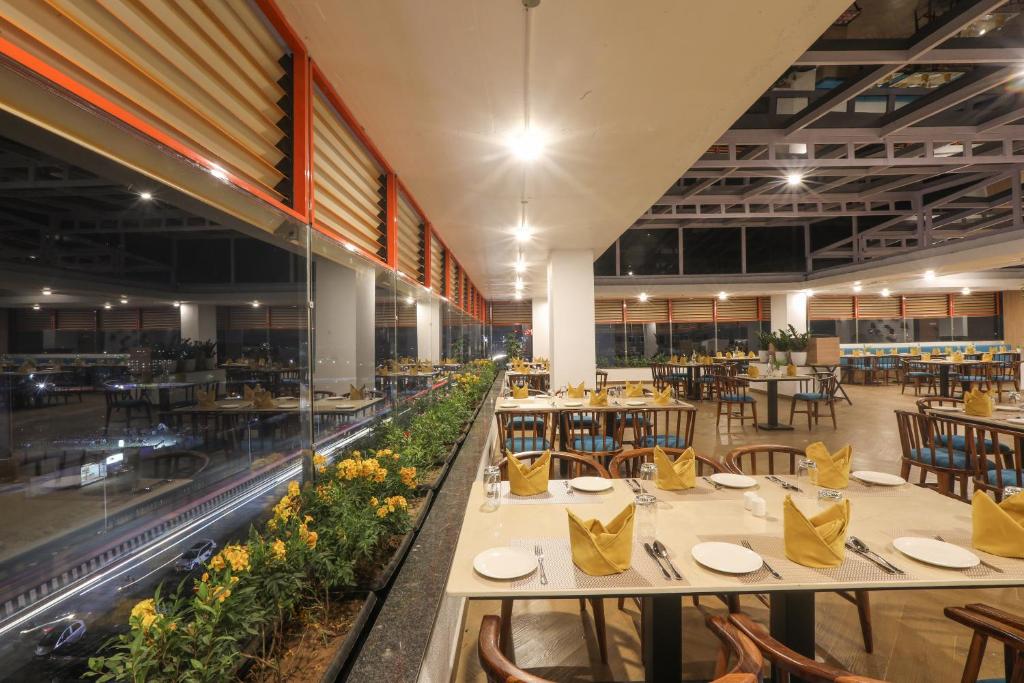
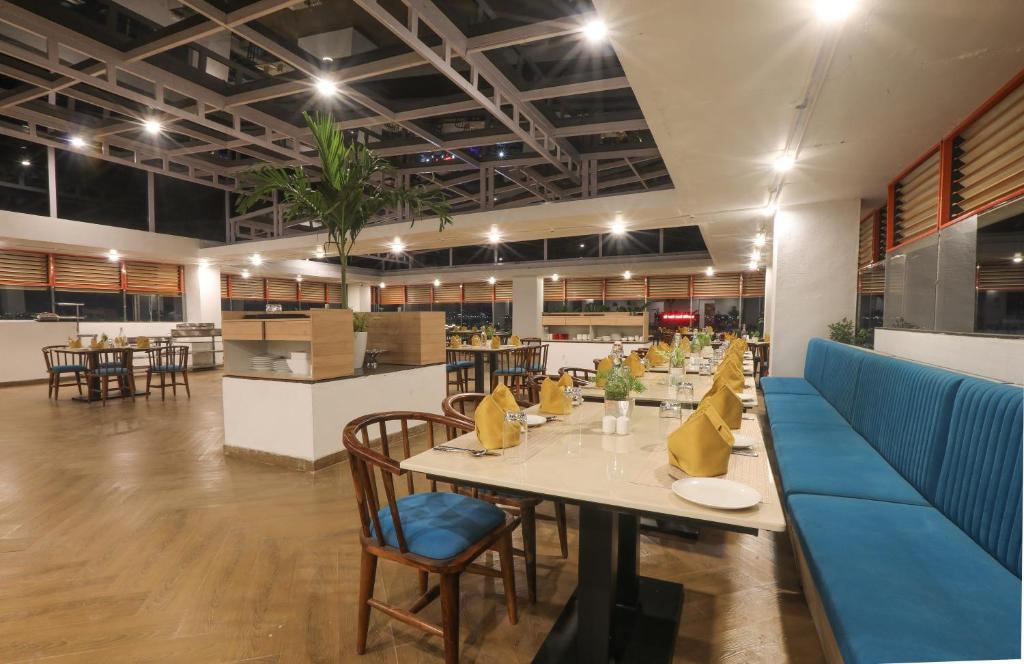
The rooftop restaurant at IRA by Orchid hotel in Sambhajinagar occupies a physical and culinary position that no other Aurangabad restaurant replicates. The elevation above the city streets reduces the ambient noise to the city’s background hum, the Deccan evening sky provides the setting, and the menu anchors the experience in Aurangabad’s specific food identity.
Aurangabadi Biryani
The city's most celebrated preparation and the primary food experience that visitors seek. Made with Marathwada red chilli (producing a different heat and colour profile from Hyderabadi biryani), the specific local rice variety, and the slow dum cooking method that the Mughal kitchen introduced to the Deccan. The meat-to-rice ratio in the traditional Aurangabadi style is higher than Hyderabadi biryani, producing a denser, more meat-forward preparation.
Naan Qalia
Tender lamb slow-cooked in a Deccani-Mughal spice blend with a gravy base of onion, yogurt, and the specific combination of warm spices (cardamom, cinnamon, star anise) that characterise Aurangabad’s court cooking heritage. Served with the distinctive Aurangabadi naan: larger than the standard tandoor naan, slightly leavened, coated in ghee.
Shikampuri Kebab
Minced lamb (or chicken) mixed with chana dal and spices, formed into a patty with a yogurt and mint filling inside, shallow-fried to a golden crust. The name means 'belly-ful kebab' in Urdu, reflecting its role as the substantial starter of a formal Aurangabadi meal. The yogurt filling distinguishes it from other minced kebab varieties.
Bharit (Marathwada style)
Charcoal-roasted aubergine mashed with raw onion, green chilli, coriander, and the specific Marathwada-style tempering. The charcoal roasting gives a smoky flavour that the Pune-style Bharit (made with oil roasting) does not produce. The correct Marathwada accompaniment is Jowarichi Bhakri (jowar flatbread).
Haleem (seasonal)
Wheat, barley, and slow-cooked mutton pounded together to a thick porridge consistency, eaten with fried onions, lime, and fresh coriander. Available particularly during the Ramadan period, when Aurangabad’s haleem is considered some of the finest in Maharashtra.
Explore More Experiences at IRA by Orchid Sambhajinagar
- Looking for a complete stay experience in the city? best hotel in Aurangabad near Ajanta Ellora with premium amenities
- Planning a romantic or grand wedding celebration? luxury wedding venues in Aurangabad for destination weddings
- Visiting the city for work or corporate meetings? top business hotel in Aurangabad near Waluj MIDC with conference facilities
- Planning sightseeing along with your dining experience? must-visit places in Aurangabad including Bibi Ka Maqbara and Daulatabad Fort
- Exploring heritage attractions nearby? complete Ajanta Ellora caves travel guide from Sambhajinagar
Independent Restaurants in Aurangabad Near IRA by Orchid
For guests who want to explore the city’s independent restaurant landscape, the following areas and establishments are worth knowing. The old city market area near Gulmandi and Shahaganj (15-20 minutes from IRA by Orchid) is the most authentic concentration of Aurangabadi Muslim cooking: the biryani restaurants and haleem shops here have been operating for generations. The Prozone Mall area has a range of casual and quick-service restaurant chains for guests who prefer familiar formats. The Kranti Chowk area is the city’s primary mid-market dining district, with Maharashtrian thali restaurants alongside multi-cuisine options. For the best standalone biryani experience, the Naivedyam and Bhoj restaurants near the railway station area are consistently recommended by Aurangabad locals.
Frequently Asked Questions
Book Now – Best Rate Guaranteed
■ Book Now — Best Rate Guaranteed • View All Rooms • Current Offers • Weddings & Events