Bibi Ka Maqbara, Daulatabad Fort, and Aurangabad’s City Heritage: A Complete Sightseeing Guide from IRA by Orchid
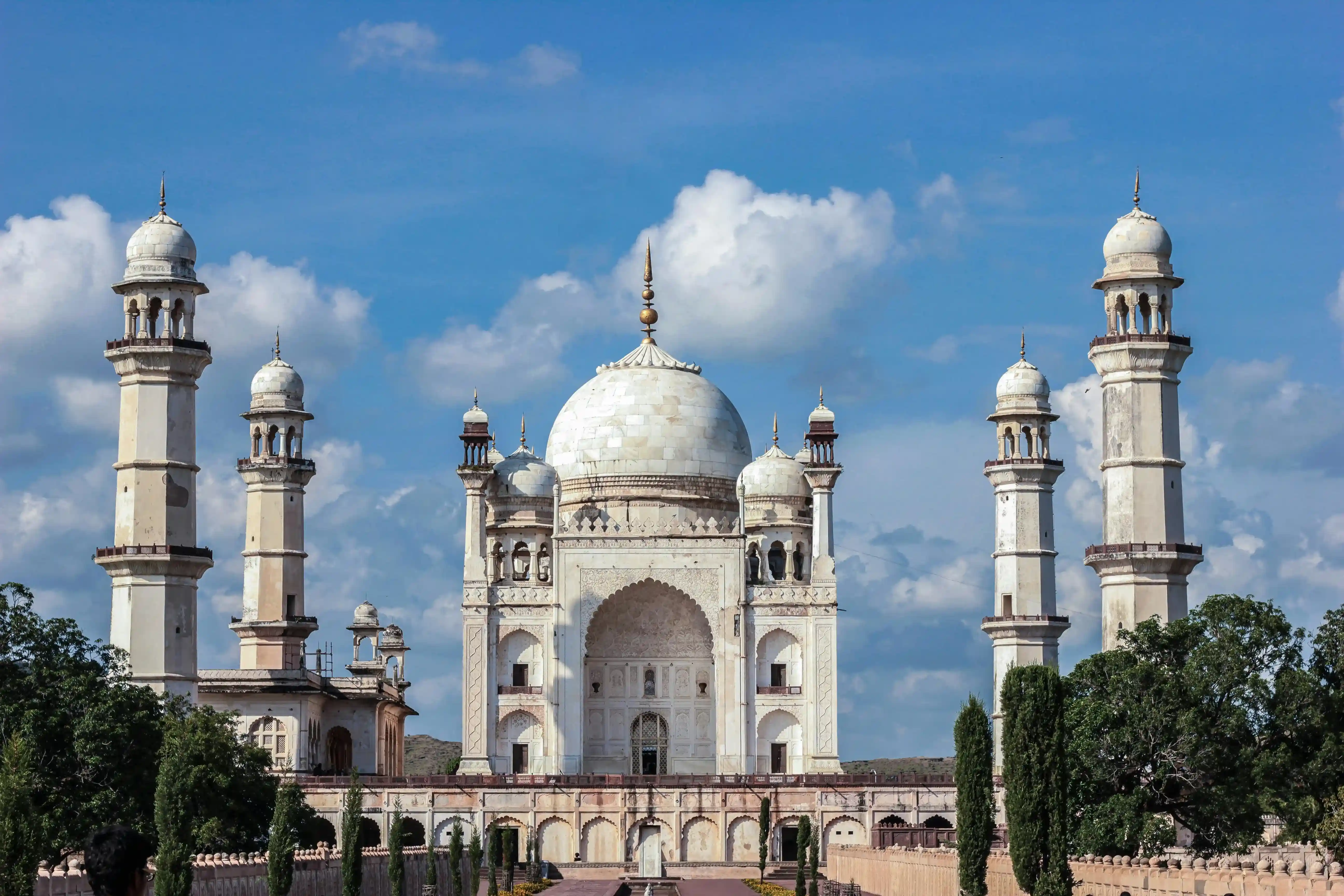
The Three Heritage Landmarks Every Aurangabad Visitor Sees
For travellers who have completed the Ajanta-Ellora circuit from IRA by Orchid, one of the best hotels in Sambhajinagar and want to explore the city itself, three landmarks define Aurangabad’s urban heritage. Together they tell the story of three of the most dramatic political transitions in Deccan history: from the Yadava kingdom (Daulatabad) to the Mughal administration of the Deccan (Bibi Ka Maqbara) to the Maratha recovery (the city’s own role in the Peshwa-era campaigns against Mughal authority).
Bibi Ka Maqbara: The Taj of the Deccan
Built in 1660-1661 by Aurangzeb’s son Prince Azam Shah in memory of his mother Dilras Banu Begum (the favourite wife of Aurangzeb, who died in 1657 in childbirth), the Bibi Ka Maqbara is the only Mughal monument of the first rank constructed in the Deccan. The design deliberately echoes the Taj Mahal — built by Azam Shah’s grandfather Shah Jahan three decades earlier for a different grieving emperor’s wife — but with the constraints of Aurangzeb’s documented disapproval of monumental expenditure: the marble cladding covers only the minarets and central plinth, while the rest of the structure is lime plaster over rubble, producing the slight visual difference that any visitor who has also seen the Taj will notice.
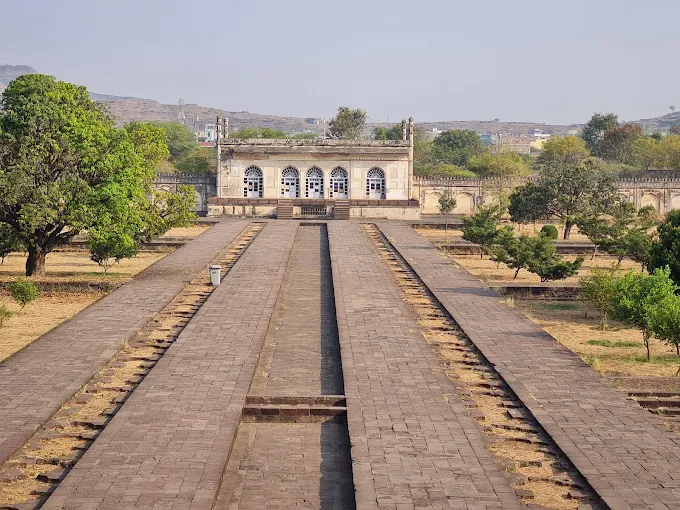
What the Bibi Ka Maqbara provides that the Taj does not is solitude. The site receives a fraction of the Taj’s tourist volume, meaning that the reflective pool approach, the formal Char Bagh gardens, and the mausoleum itself can be experienced without the crowd density that makes the Agra experience increasingly difficult. At dawn, with the dome catching the first light and no one else in the gardens, the Bibi Ka Maqbara is one of the most beautiful and atmospheric monuments in India.
Daulatabad Fort: The Most Formidable Medieval Fort in India
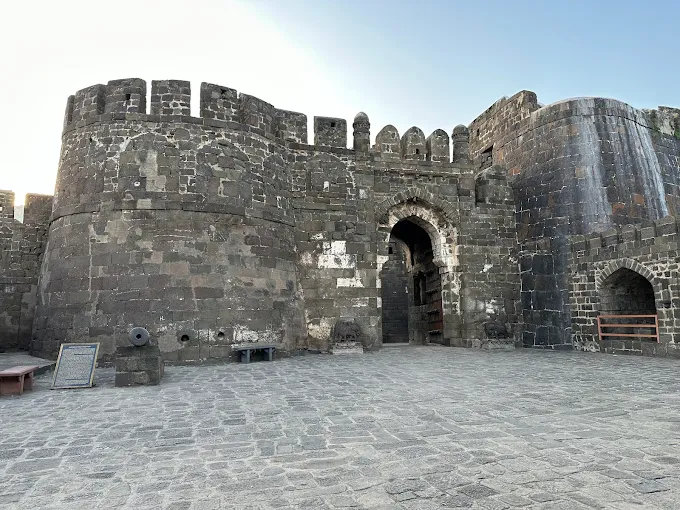
Daulatabad Fort sits on a 183-metre volcanic basalt hill that rises abruptly from the flat Deccan Plateau, 13 km from the IRA by Orchid hotel in Sambhajinagar. The original fort, called Devagiri (City of the Gods), was the capital of the Yadava dynasty from the 9th to the early 14th century. Its defensive architecture represents the most complex medieval military engineering in India: seven concentric walls, each a formidable barrier; a moat carved from solid basalt and once filled with crocodiles; a drawbridge that could be raised from inside; a 750-metre dark passage through the hillside (the Chor Darwaza, or Thieves’ Gate) designed so that any army navigating it in darkness would be entirely disoriented and unable to fight; and a summit citadel accessible only by a single narrow path that could be defended by two soldiers against an army.
Explore More Insights About IRA by Orchid Sambhajinagar
- Plan your stay with this complete hotel overview: IRA by Orchid Sambhajinagar complete hotel guide
- Visiting Ajanta & Ellora? Start with this detailed guide: Ajanta Ellora caves visitor guide
- Planning a destination wedding in Aurangabad? best wedding venues in Aurangabad
- Traveling for business? Explore corporate stay options: business hotel near Waluj MIDC Aurangabad
- After sightseeing, enjoy the best dining experiences: top rooftop restaurant in Aurangabad
Aurangabad Caves: The City’s Own Rock-Cut Heritage
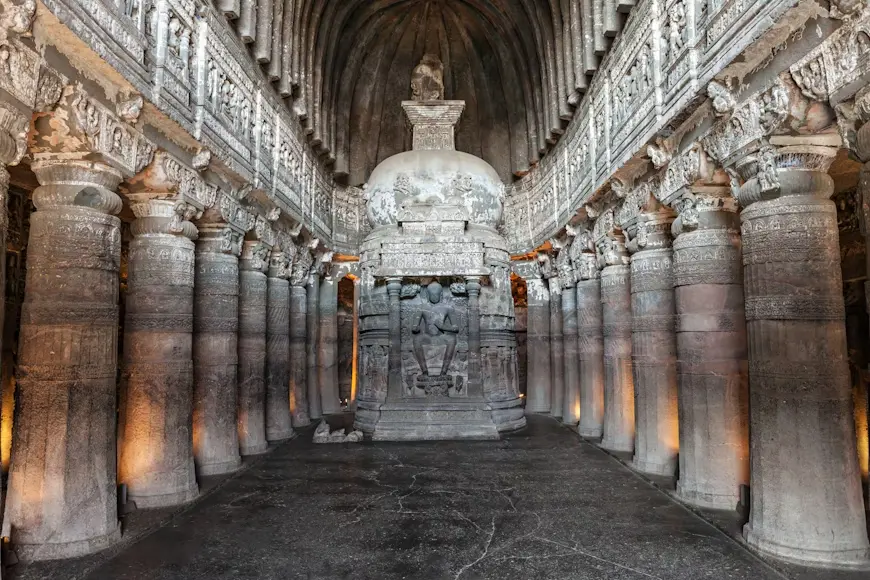
The twelve Aurangabad Caves — 5 km from IRA by Orchid — are the city’s own rock-cut heritage, carved between the 2nd and 8th centuries CE into the north-facing ridge above the old city. They are less visited than Ajanta and Ellora and therefore offer a quieter, more contemplative experience. Cave 7 is the most artistically significant: the row of celestial female attendants flanking the main Buddha image represents the fully developed Aurangabad sculptural style that influenced later Ellora carving. The caves can be covered in 1.5-2 hours as an add-on to the Bibi Ka Maqbara visit.
Book Now – Best Rate Guaranteed
■ Book Now — Best Rate Guaranteed • View All Rooms • Current Offers • Weddings & Events