
The best things to do in Nashik are wine tasting at Sula Vineyards, the Jyotirlinga temple at Trimbakeshwar, the old riverside quarter of Panchavati with Ramkund and the Kalaram Temple, the ancient Pandavleni Caves, and monsoon waterfalls like Dugarwadi. Nashik blends pilgrimage, wine country, and easy weekend escapes in one trip.
Pilgrimage city, one of the four places that hosts the Kumbh Mela, and it is also the wine capital of India, where you can spend a morning at a temple on the Godavari and an afternoon swirling a Sauvignon Blanc on a vineyard terrace. We run a hotel here, on the Nashik-Pune road near Nasardi Bridge, and the guests who enjoy Nashik most are the ones who lean into that split personality instead of fighting it. This guide is the honest version of how to do that: what is worth your time, what to skip, when to come, and how to plan around the city's geography so you are not crossing town four times a day. Nashik confuses first-time visitors, and the confusion is the interesting part. It is a serious Hindu
Nashik sits in northern Maharashtra on the banks of the Godavari River, about 165 kilometres from Mumbai and 210 kilometres from Pune. People visit for three different reasons: pilgrimage, since it is a Kumbh Mela city with temples tied to the Ramayana; wine, since it is India's wine capital with Sula and dozens of other vineyards; and an easy hill-and-waterfall escape in the monsoon.
That mix is why Nashik works for so many kinds of travellers. A devout family comes for Trimbakeshwar and Panchavati. A young Mumbai or Pune crowd comes for the vineyards and a relaxed weekend. A monsoon traveller comes for the green Western Ghats on the city's doorstep. The city is well connected, the weather is kinder than the plains for much of the year, and almost everything worth seeing is within an hour's drive.
Geography matters for planning here. The old city and the Godavari ghats, Panchavati, sit toward the centre and north. The vineyards spread west and north-west around Gangapur Dam. Trimbakeshwar is further west, about 28 kilometres out. Pandavleni Caves and the Mumbai-Agra highway sit to the south-west. Our hotel is on the Nashik-Pune road near Nasardi Bridge, handy for Nashik Road railway station and the city, with the temples and vineyards a short drive out. Group your sights by direction, and you save hours.
The top things to do in Nashik are wine tasting and a vineyard tour at Sula, darshan at the Trimbakeshwar Jyotirlinga, a walk through Panchavati to Ramkund and the Kalaram Temple, the rock-cut Pandavleni Caves, the marble Muktidham Temple, and, in the monsoon, the waterfalls at Dugarwadi and Someshwar. Pick by season and by whether your trip leans toward pilgrimage or leisure.
Here is the honest framing nobody puts on a tourism page. Nashik is not a single-theme destination, so trying to do everything in two days leaves you rushed and crossing the city repeatedly. The smart move is to decide what your trip is mostly about. If it is a pilgrimage, build around Trimbakeshwar and Panchavati and treat the vineyards as a pleasant extra. If it is a wine-and-weekend trip, build around Sula and the vineyard belt and treat the temples as the cultural half-day. If you are here in the monsoon, the waterfalls and the green ghats become the main event. The sections below take each draw in turn with real distances and honest advice. If you would rather sleep ten minutes from the city and the station, you can book a room at IRA by Orchid Nashik and use it as your base.
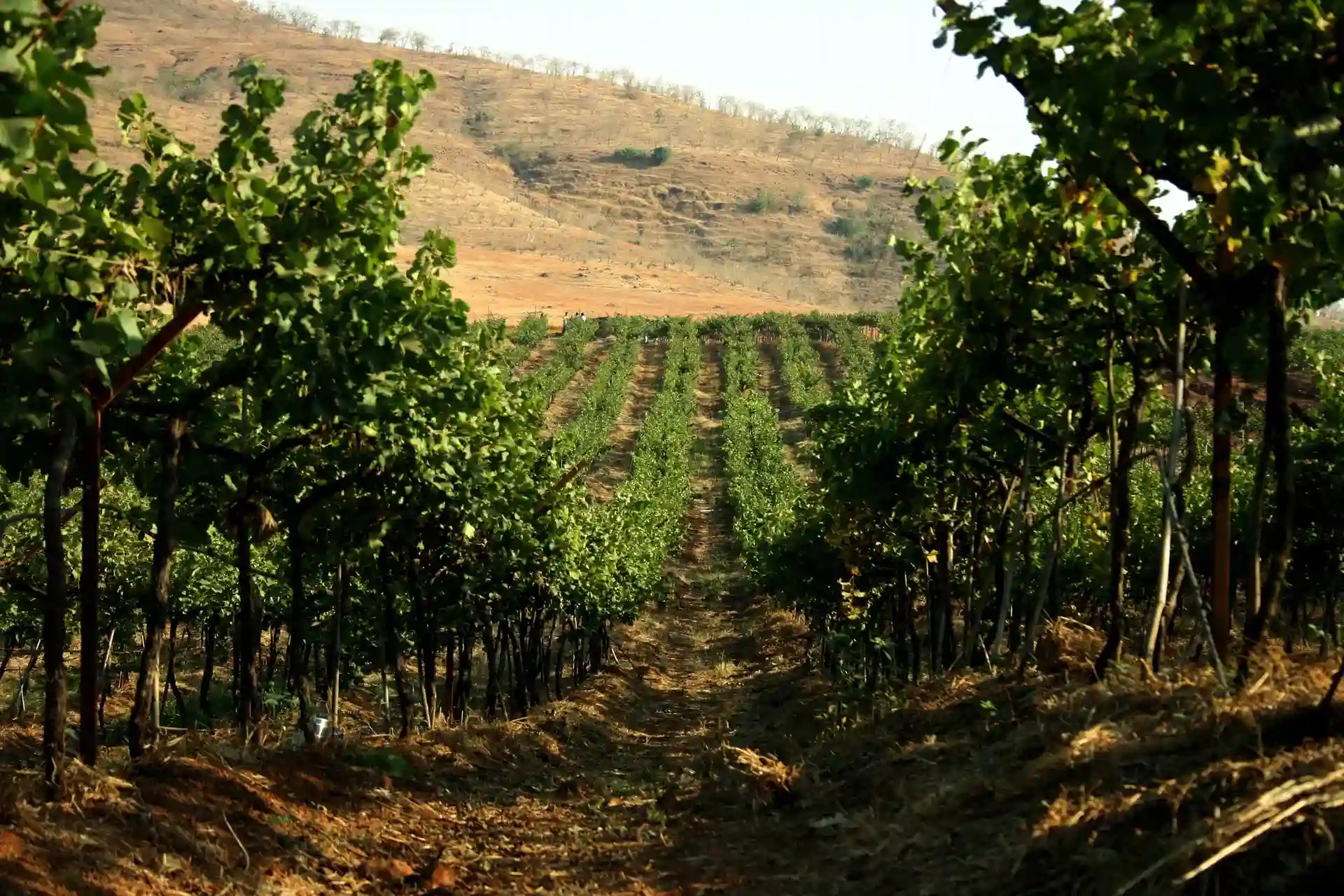
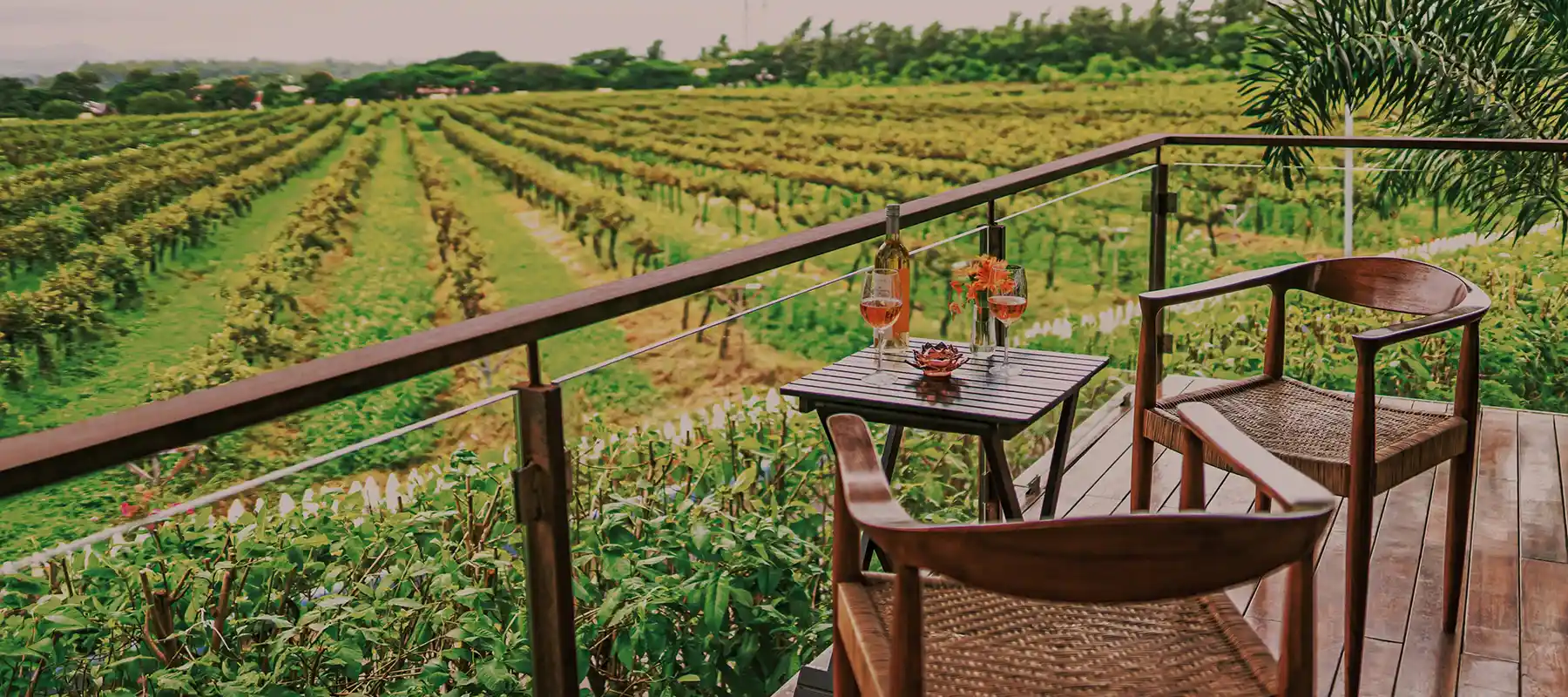
Sula Vineyards is about 12 kilometres from Nashik city centre on the Gangapur Road, overlooking the Gangapur Dam. It is Asia's most-visited winery and the easiest introduction to Indian wine, with daily tours, tastings, two restaurants and a tasting room. Go for the late-afternoon tour and tasting, and book ahead on weekends because it gets very busy.
Sula is the name that put Nashik on the leisure map, and it earns the visit. The standard experience is a short guided tour of the winemaking process followed by a seated tasting of several wines, from the Sauvignon Blanc and Chenin Blanc to the reds and the sparkling. Even if you are not a wine person, the terrace at sunset over the vineyards and the dam is a genuinely good way to spend an evening. There are restaurants on site, a tasting room, and a shop, so you can make a half-day of it.
A few honest pointers. Weekends, especially in the cooler months, are crowded, and the tour slots fill, so book online in advance and aim for a weekday if you can. The grape harvest runs roughly from January to March, which is the most atmospheric time to visit the vineyards. If Sula is packed, the surrounding belt has good alternatives worth the short drive: York Winery, very close by with a lovely tasting deck, and Soma, Vallonne and Grover Zampa a little further out. For a wine-led weekend, pick two vineyards rather than rushing four. After a tasting, a designated driver or a hired car back to the hotel is the sensible plan, and we are happy to arrange one.
Beyond Sula, Nashik has a real wine country worth exploring: York Winery, right beside Sula with a quieter tasting deck over the Gangapur backwaters; Soma Vine Village, which has its own resort and pool; Grover Zampa and Vallonne further out toward the Dindori and Gangapur belts. Two vineyards in an afternoon is the right pace, not four.
Treating Nashik as a one-winery trip sells it short. York Winery sits almost next to Sula and many visitors do both, but York is the calmer of the two, with a small tasting room and a deck that looks over the water, better if you want to actually talk to the staff about the wine. Soma Vine Village pairs its tastings with a resort, a pool and a restaurant, which makes it a pleasant longer stop. Vallonne, set in the hills near the Mukne Dam, is the prettiest of the lot for a slow afternoon, and Grover Zampa is a serious name for those who care about the wine itself.
The way to do wine country here is to slow down. Pick two estates, do a proper tour and tasting at each, eat at one of their restaurants, and leave the driving to someone else. The vineyards are spread across the Gangapur, Dindori and Niphad belts, so a hired car for the afternoon is the practical setup. The harvest months of January to March are the most rewarding, with the vines heavy and the cellars active, though the tasting terraces are good company at any time of year.
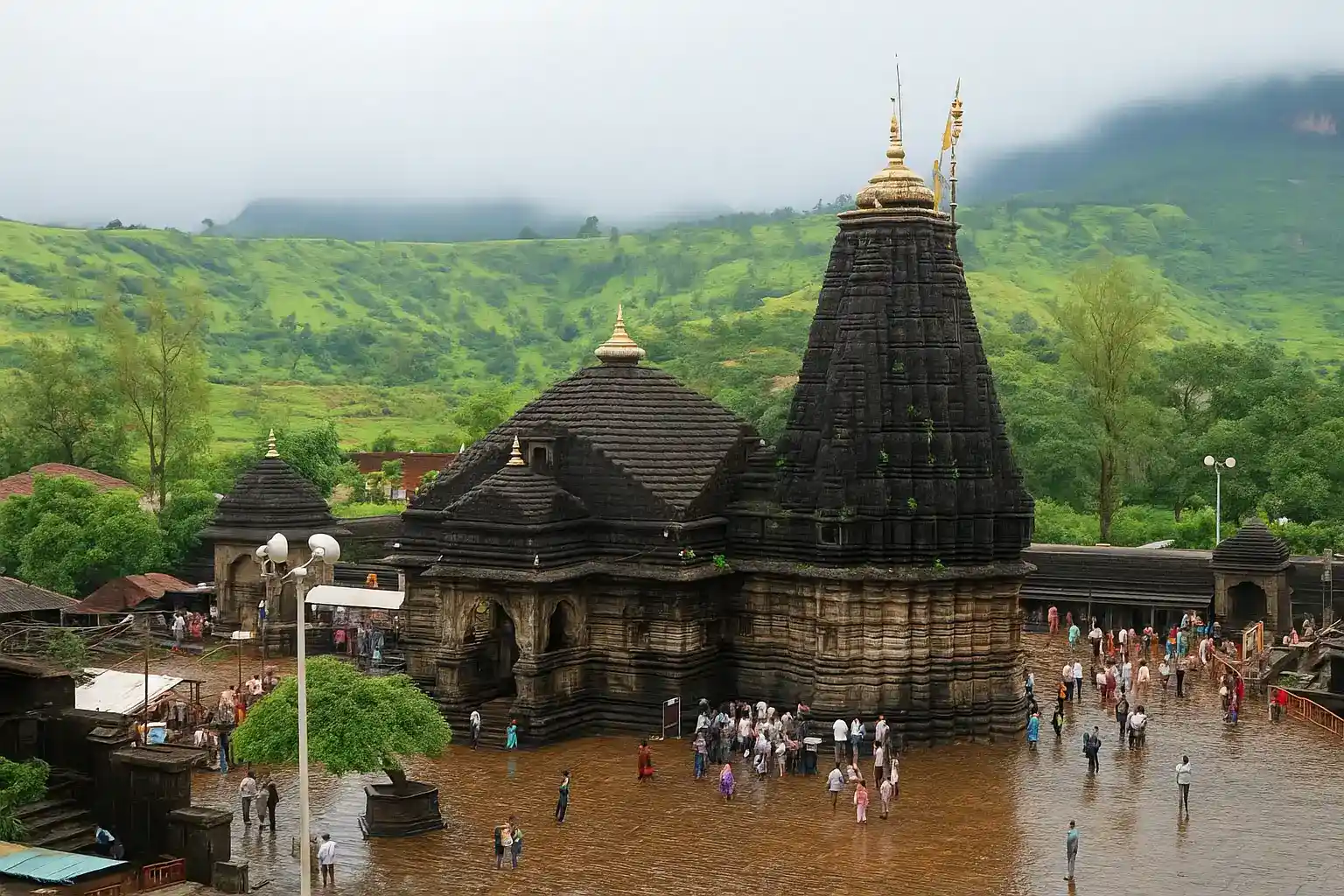
Trimbakeshwar is about 28 kilometres west of Nashik, roughly an hour by road, at the foot of Brahmagiri hill, where the Godavari rises. It is one of the twelve Jyotirlinga shrines of Lord Shiva and a major pilgrimage site. Go early to beat the queues, and know that the main darshan can involve a long wait, with paid quick-darshan options available.
Trimbakeshwar is the spiritual heavyweight of the region. The temple, built in its present black-stone form in the eighteenth century by the Peshwa Balaji Baji Rao, sits below Brahmagiri, the hill from which the Godavari, the Ganga of the south, is said to originate. For devout Hindus, this is a significant stop, one of only twelve Jyotirlingas in the country, and it draws steady crowds and far larger ones on festival days and during the Kumbh.
The practical truth: the queue for the main sanctum can be long, sometimes hours on busy days, so arrive early in the morning. There are paid faster-darshan options if your time is tight. The town around the temple has the usual cluster of prasad and flower stalls and a few simple eateries. Many visitors combine Trimbakeshwar with the Kushavarta Kund, the sacred tank nearby, and the climb or drive toward Brahmagiri. Dress modestly, expect to leave footwear and phones at designated counters, and carry small cash. From the hotel, it is about an hour each way, so treat it as a morning outing rather than a quick hop.
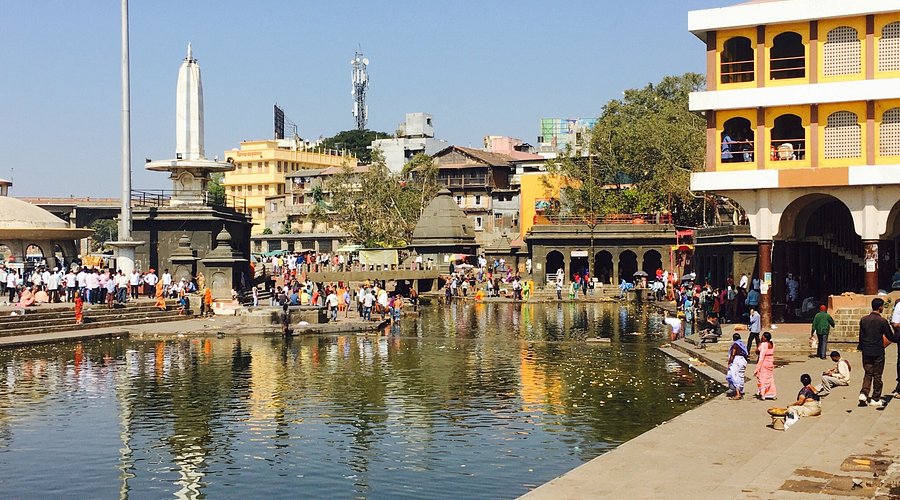
Panchavati is the old quarter of Nashik on the north bank of the Godavari, tied to the Ramayana as the place where Ram, Sita and Lakshman lived in exile. Its key sites are Ramkund, the sacred bathing tank, the Kalaram Temple with its black idol of Ram, Sita Gufa, the cave where Sita is believed to have stayed, and the riverside ghats. It is the cultural heart of the city.
This is where Nashik's name and story come from. The whole Panchavati area is dense with temples and legend. Ramkund is the central point, a bathing tank on the Godavari where pilgrims bathe and where ashes are released into the river, busy with ritual life through the day. A short walk away, the Kalaram Temple is the area's main shrine, a black-stone temple to Ram with a striking dark idol, ringed by a courtyard that fills for aarti. Sita Gufa, a tight set of caves near the Kalaram Temple, is the spot associated with Sita's stay and her abduction by Ravana, and squeezing through the narrow steps is part of the experience.
Go in the early morning or the evening for the aarti and the cooler air, and be ready for crowds and the press of a living pilgrimage site rather than a quiet monument. The lanes around Panchavati are full of small temples, the old Sundarnarayan and Naroshankar temples among them, and the area is good for an unhurried wander on foot. It is about a fifteen to twenty-minute drive from the hotel, depending on traffic, and it pairs naturally with a visit to nearby Muktidham.
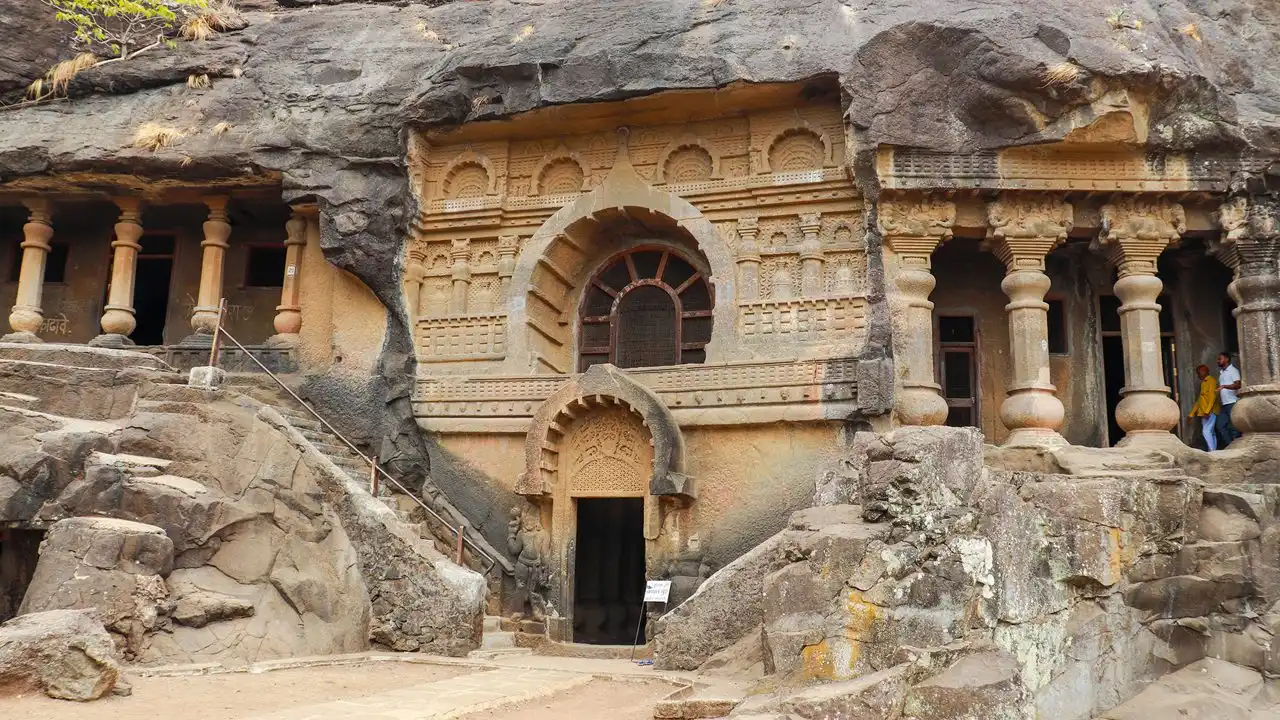
The Pandavleni Caves, also called the Trirashmi or Nashik Caves, are a group of 24 rock-cut Buddhist caves about 8 kilometres south of Nashik centre, dating from around the first century BC. They sit on a hill near Pathardi Phata and need a short uphill climb. Go for the carvings, the inscriptions, and the view over the city, and wear proper shoes.
These caves are the oldest things you will see in Nashik, and one of the most rewarding if you like history. Cut into the Trirashmi hill over two thousand years ago, the group of 24 caves was funded by kings, traders and devotees, and the carvings, pillars, water cisterns and old Brahmi inscriptions are remarkable for their age. Cave 18, a chaitya prayer hall, and the larger viharas are the highlights. Despite the Pandav name, the caves are Buddhist, not linked to the Mahabharata.
The climb up takes fifteen to twenty minutes on a stepped path, so wear closed shoes and carry water, especially in the heat. Mornings are best for light and to avoid the midday sun. From the top, the view over Nashik is wide and worth the effort. At the base sits the Dadasaheb Phalke Memorial, a garden and museum honouring the father of Indian cinema, who came from this region, which makes an easy combined stop. The caves are around twenty minutes from the hotel toward the Mumbai-Agra highway.
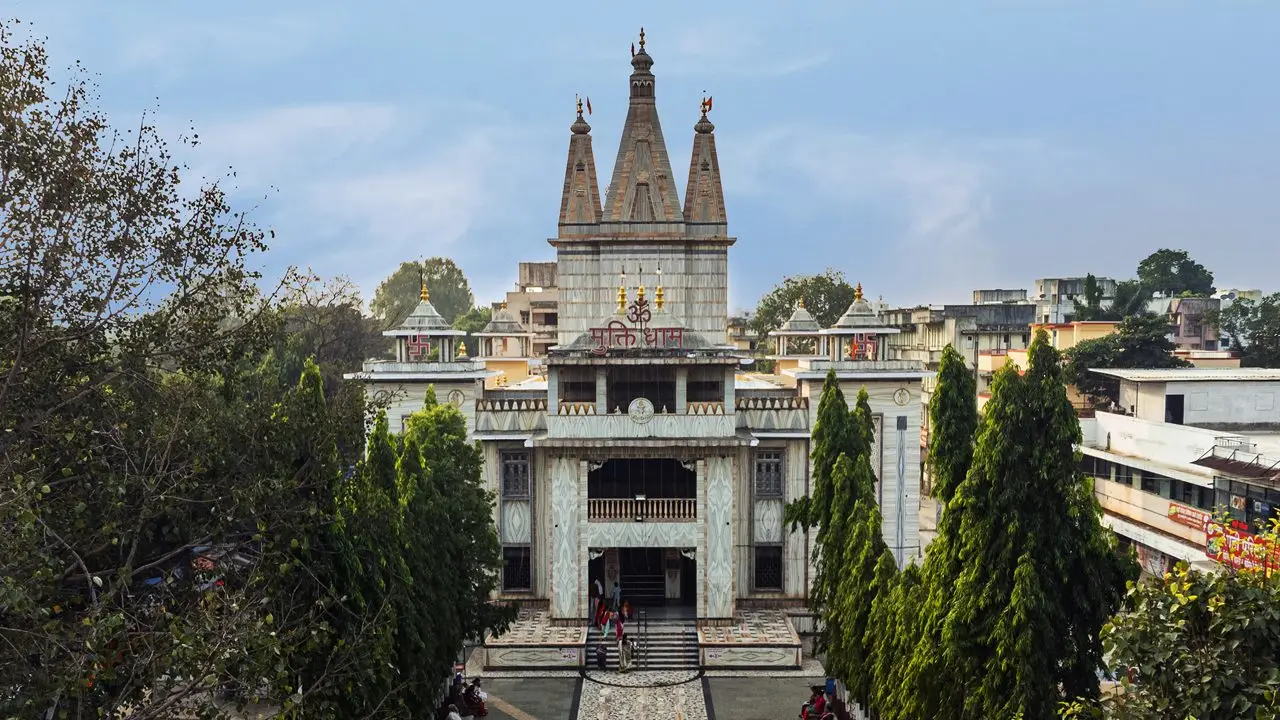
Muktidham is a white-marble temple complex near Nashik Road, about 7 kilometres from the city centre, known for its marble replicas of the twelve Jyotirlingas and walls inscribed with the verses of the Bhagavad Gita. It is calm, photogenic and quick to see, and it pairs well with a Panchavati visit or a stop on the way to or from Nashik Road station.
Muktidham is the easy, pleasant temple stop. Built entirely in white Makrana marble, the same stone used for the Taj Mahal, the complex holds replicas of all twelve Jyotirlingas under one roof, which appeals to pilgrims who cannot travel to each, and its walls carry the full Bhagavad Gita in inscription. It is a calm, bright space, less frantic than Panchavati, and a good half-hour stop.
Because it sits near Nashik Road, it is convenient to fold into your arrival or departure, or to combine with the Coin Museum nearby, India's only numismatics museum, set on a research campus. The Someshwar temple and waterfall to the west and the Saptashringi Devi temple about 60 kilometres out, one of the 51 Shakti Peethas reached by a ropeway, round out the temple circuit for those who want more. Muktidham itself is only a short drive from the hotel.
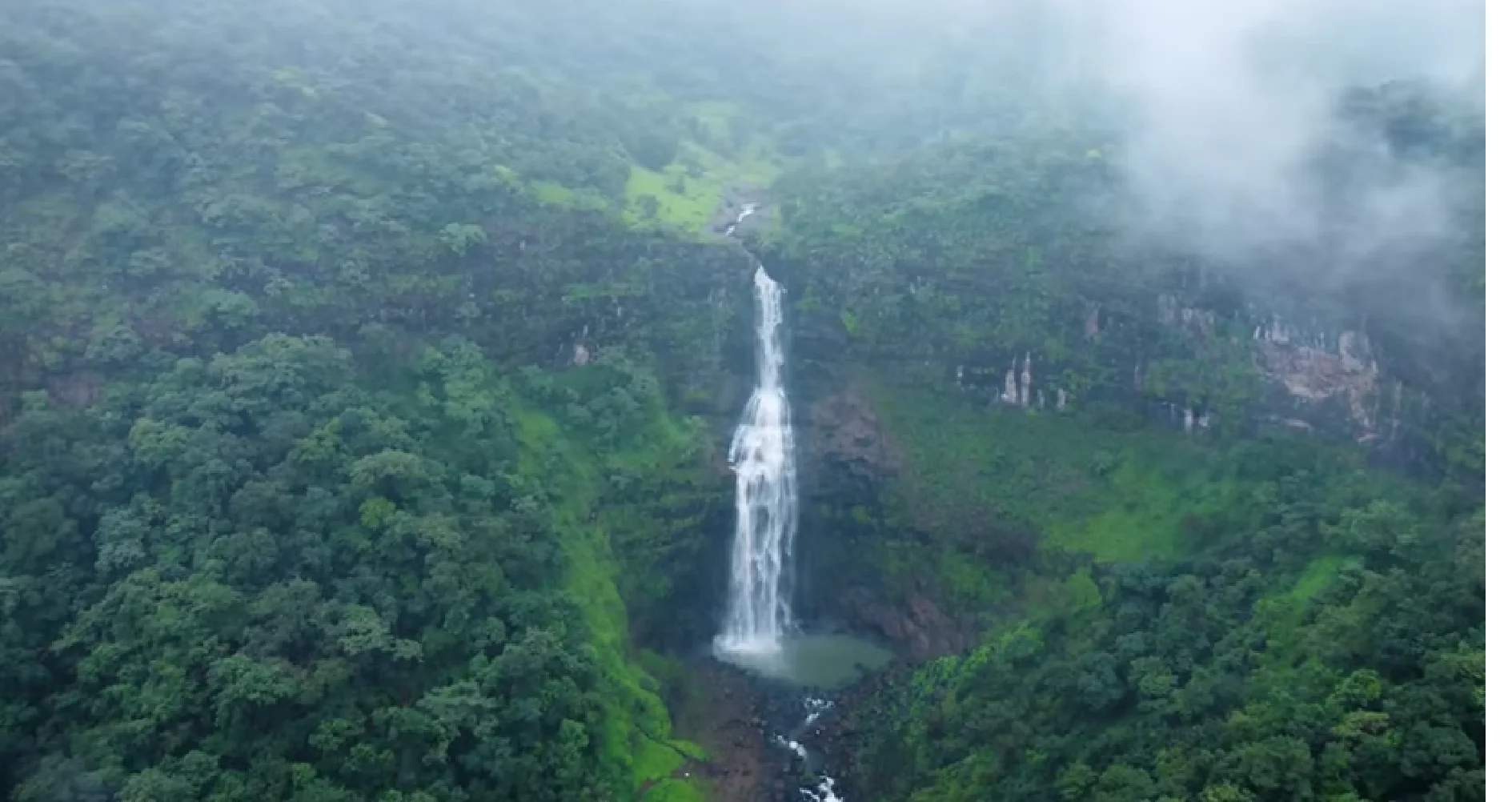
In the monsoon, July to September, Nashik's surroundings turn green, and the waterfalls come alive. The best are Dugarwadi, about 35 kilometres west toward Trimbak, Someshwar near the city, and Vihigaon, the Ashoka waterfall, toward Igatpuri. The vineyards are lush, the ghats are dramatic, and the air is cool, though roads can be slippery, so drive carefully.
Nashik is genuinely lovely in the rains, and most guides ignore this. The Western Ghats that ring the city are greened up completely, and the seasonal waterfalls are the reason to come. Dugarwadi, in the hills toward Trimbakeshwar, is the local favourite, a gorge with falls and mist that is busy with day-trippers on monsoon weekends. Someshwar, closer to the city on the Godavari, has both a temple and a waterfall and an easy riverside walk. Toward Igatpuri, the Vihigaon or Ashoka waterfall is a bigger, more dramatic cascade, popular for rappelling.
The honest cautions: monsoon roads in the ghats are slippery, and the waterfall spots get slick and crowded, so wear grippy shoes, do not climb onto wet rocks for a photo, and avoid the falls after very heavy rain when water levels surge. Even with those caveats, a monsoon weekend of green vineyards, misty hills and full waterfalls is one of the best versions of Nashik, and far quieter on the wine side than the winter peak.
The best day trips from Nashik are Shirdi, the Sai Baba pilgrimage town about 90 kilometres away, Saptashringi Devi temple about 60 kilometres out, and the hill stations of Igatpuri, around 45 kilometres, and Bhandardara, around 70 kilometres, for lakes and Ghat scenery. Saputara, Gujarat's hill station, is about 80 kilometres for those wanting a longer outing.
Nashik makes a good base for the wider region. Shirdi is the big one, the Sai Baba temple town that draws enormous pilgrim numbers, about two to three hours by road and very doable as a long day or an overnight. Saptashringi, the hilltop Shakti Peetha reached by road and a ropeway, is a shorter half-day for those on the temple circuit. For greenery and lakes, Igatpuri is the closest hill escape, popular in the monsoon and home to the Vipassana centre, while Bhandardara, a little further, has the Arthur Lake, Wilson Dam and Randha Falls in a quiet Ghat setting.
Saputara, just across the border in Gujarat, is the longer option, a small hill station with a lake, gardens and cool air, better as an overnight than a rushed day. Pick day trips that match your trip's theme and your tolerance for driving, and do not try to stack Shirdi and a vineyard day back to back, because both deserve their own pace.
A note on combining trips, since many travellers ask. Shirdi pairs naturally with Shani Shingnapur, the temple village about 70 kilometres beyond it, for a full devotional day, though that makes for a long drive from Nashik and back. Bhandardara works best as an overnight, letting you catch the early morning mist over Arthur Lake and the fireflies in the pre-monsoon weeks, a genuinely special sight that a day trip misses. Igatpuri, the closest of these, doubles as a monsoon trekking and camping base and is the site of the large Vipassana meditation centre at Dhamma Giri. Decide whether you want these as part of the Nashik trip or as the main event, because each can fill a day on its own.
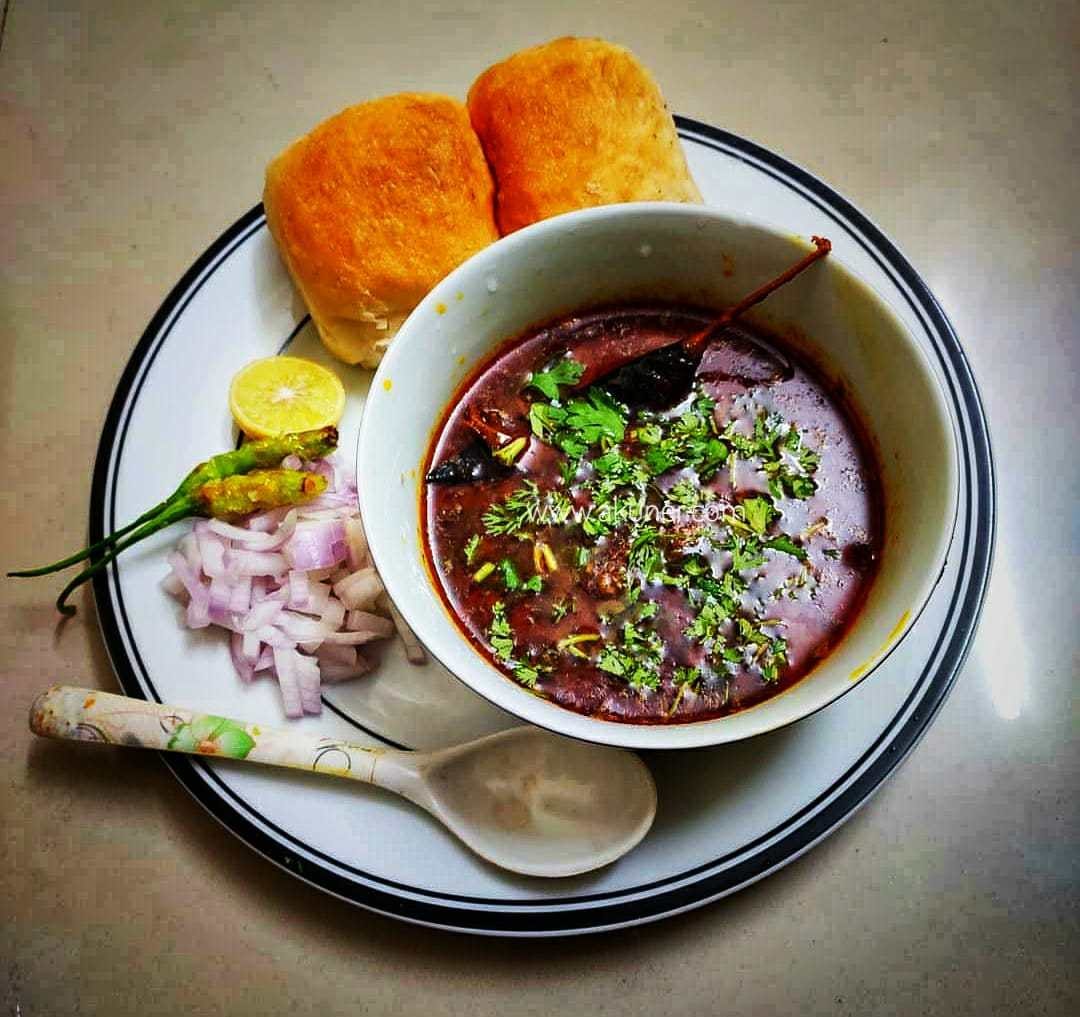
The food to seek out in Nashik is misal pav, the fiery sprouted-bean curry that the region is famous for, eaten at breakfast with pav and a side of farsan. Add Nashik's local chivda, fresh grapes and wine in season, and the Maharashtrian thali staples like puran poli, sabudana khichdi and vada pav. The misal here is among the best in Maharashtra.
Nashik takes its misal seriously, and you should too. Misal pav, a spicy curry of sprouted moth beans topped with crunchy farsan, chopped onion and lemon, served with pav, is the city's signature breakfast, and the local style runs hot. The old misal houses around the city have devoted followings, and trying one is the most authentic food thing you can do here. Sabudana khichdi and sabudana vada, fasting foods turned everyday favourites, are excellent in this region, as is the humble vada pav.
Beyond the spicy street food, Nashik is a grape and wine country, so fresh table grapes in season and a glass of local wine belong on the list. The city's own Nashik chivda is a good edible souvenir. For a sit-down meal, the Maharashtrian thali with puran poli and the seasonal vegetables is the comfort option, and the city has a growing cafe and restaurant scene around the vineyards and the newer parts of town. At the hotel, our restaurant Makeba covers both regional Maharashtrian and international dishes, and Crossroads is the relaxed option for a family dinner, so you are not hunting for a table after a long day out.
A word on where and when to eat. The old-city misal houses do their best work at breakfast and sell out of the good stuff by late morning, so go early and go hungry. The college and market areas have the cheap, excellent street food, vada pav, bhel and the like, in the evenings. The vineyards and the newer parts of town toward Gangapur Road hold the sit-down cafes and the better dinner restaurants, which suit a relaxed evening after a tasting. If you want the local sweet note, try a basundi or a shrikhand, and in grape season, the fresh grape juice is everywhere and worth stopping for.
The things worth buying in Nashik are local wine from Sula or the other estates, fresh table grapes and raisins in season, the city's signature Nashik chivda, and traditional Maharashtrian dry snacks like kurdai and papad. For something lasting, look for copper and brassware and the religious items sold around Panchavati and Trimbakeshwar.
Nashik is a good place to buy edible souvenirs. Wine is the obvious one, and buying a bottle or two directly from Sula, York or another estate after a tasting means you get exactly what you liked. The region's grapes are famous, so fresh table grapes in season and good raisins are easy buys. Nashik chivda, the local version of the spiced flattened-rice snack, travels well and makes a reliable gift, as do the homemade kurdai, papad and sandage you find in the city's dry-snack shops.
Beyond food, the lanes around Panchavati and the markets in the old city sell pooja items, copper and brass vessels, and religious souvenirs, while the area near Trimbakeshwar has the usual pilgrimage stalls. Nashik is not a big handicraft destination the way some Indian cities are, so keep shopping simple and edible, and spend the time you save on the vineyards and temples instead.
The easiest way to get around Nashik is a hired car with a driver for your sightseeing days, since the temples, vineyards and caves are spread across the city and its outskirts. Autos and app cabs work within the city, but coverage thins for the outlying sights like Trimbakeshwar and the vineyards, so a day-hired car saves time and hassle.
Nashik's sights are not walkable as a group; they are scattered, so transport planning matters. Within the city, autorickshaws and app-based cabs are fine for short hops to Panchavati or Muktidham. For the spread-out attractions, Trimbakeshwar to the west, the vineyards to the north-west, Pandavleni to the south, a hired car with a driver for the day is the sensible choice, because return cabs from those outlying spots are not always easy to find, especially after a vineyard tasting.
A practical tip: plan each day by direction so the car is not doubling back across the city, and keep some cash for temple parking, prasad stalls and the smaller eateries. If you are arriving by train at Nashik Road, you can pick up a car for your sightseeing days rather than relying on piecemeal autos. We arrange reliable cars for guests, which takes the guesswork out of the outlying drives and the post-tasting return.
The best time to visit Nashik is October to March, when the weather is pleasant, and it suits temples, vineyards and sightseeing alike. The monsoon, July to September, is best for green hills and waterfalls and a quieter vineyard visit. Summer, April to June, is hot and best avoided for daytime sightseeing unless you stick to early mornings.
The season-by-season read, the way we explain it to guests.
Winter, October to March, is the prime window. Days are pleasant, evenings are cool, and it is comfortable for everything from temple queues to vineyard terraces. The grape harvest runs roughly from January to March, which is the most rewarding time for a wine-focused trip. This is also the busiest season, so book ahead, especially on weekends.
Monsoon, July to September, is the green secret. The hills and vineyards turn lush, the waterfalls run, and the city is at its most scenic and least crowded on the leisure side. The trade-off is rain and slippery ghat roads. If you are comfortable with that, a monsoon weekend here is excellent value and atmosphere.
Summer, from April to June, is hot, with daytime temperatures climbing high. If you do come in summer, do your sightseeing early and keep afternoons for the pool or indoor stops. Layered around all of this, watch the festival calendar: Ram Navami at the Kalaram Temple, Mahashivratri at Trimbakeshwar, and the rare but enormous Kumbh Mela, all of which bring huge crowds and need advance planning.
Nashik is one of the four cities that host the Kumbh Mela, the vast Hindu pilgrimage gathering, held here roughly every twelve years on the banks of the Godavari at Ramkund and at Trimbakeshwar. The Nashik edition is called the Simhastha Kumbh. Outside the Kumbh years, the same sites carry steady pilgrim traffic, peaking on festival days.
Understanding the Kumbh helps you read Nashik. Along with Prayagraj, Haridwar and Ujjain, Nashik is one of the four Kumbh cities, and when the Simhastha falls here, the city swells with millions of pilgrims and sadhus for the holy bathing days. The two focal points are Ramkund in Panchavati and the Kushavarta Kund at Trimbakeshwar. If your visit happens to coincide with a Kumbh or a major bathing date, expect the whole city's logistics, traffic and accommodation to be dominated by it, and plan many months ahead.
In ordinary years, this pilgrimage weight is still present, just calmer. It is why the temples are busy at dawn and dusk, why the ghats are alive with ritual, and why festival dates like Ram Navami and Mahashivratri draw crowds. For most travellers, this adds atmosphere rather than an obstacle, but it is worth checking the Hindu festival calendar for your dates so a packed temple does not catch you off guard.
A good two-day Nashik itinerary is: day one for pilgrimage and history, with Trimbakeshwar in the morning, Panchavati and Ramkund in the afternoon, and Muktidham on the way back; day two for leisure, with Pandavleni Caves in the morning and Sula or another vineyard for a late-afternoon tour and tasting. Add a third day for Shirdi or monsoon waterfalls.
This is the plan we hand most guests, built so you are not zig-zagging across the city.
Day one is the cultural day. Start early and drive west to Trimbakeshwar for the morning darshan before the queues build, then return toward the city for lunch. In the afternoon, walk to Panchavati, Ramkund, the Kalaram Temple and Sita Gufa, timed for the cooler hours and the evening aarti. On the way back, stop at Muktidham, which sits conveniently near Nashik Road. It is a full day, but everything links logically from west to centre.
Day two is the leisure day. Do the Pandavleni Caves in the morning while it is cool, pairing them with the Dadasaheb Phalke Memorial at the base. After lunch and a rest, head to Sula or York for the late-afternoon vineyard tour and a sunset tasting on the terrace. If you have a third day, use it for Shirdi as a long day trip, or in the monsoon, for the Dugarwadi or Vihigaon waterfalls. Slot a pool afternoon at the hotel, wherever you need to slow down.
Nashik suits families with its mix of easy sightseeing, vineyards with space to roam and a pleasant climate; it suits couples for a relaxed wine-and-temple weekend; and it suits business travellers for its connectivity to Mumbai and Pune. Choosing a hotel with a pool, family rooms, dining and meeting space covers all three without changing base.
Each kind of traveller uses Nashik differently. Families do well here because the distances are short, the temples and caves are interesting for mixed ages, and the vineyards have open space and good food. A pool and family rooms make the afternoons easy, and the climate is gentler than the plains for much of the year. Keep day one light to settle in, and you will have a smooth trip.
Couples come for the weekend version: a vineyard sunset, a garden-view room, an unhurried temple morning and good food, all within a short drive of each other. The wine country gives Nashik a romance that the pilgrimage city alone would not. For business travellers, the draw is connectivity, since Nashik is a short road or rail trip from Mumbai and Pune and has a growing industrial and corporate base, so a hotel with reliable Wi-Fi, workspaces and meeting rooms near the highway and station is the practical choice. The same property can serve a conference by day and a family by the pool, which is exactly what a base like ours is built for.
After a day of temple queues, cave climbs, and vineyard drives, the thing most Nashik itineraries forget is downtime. A hotel with an outdoor pool, a spa and a gym lets you break a packed trip with a slow afternoon, which matters in the summer heat and after the standing and walking that the temples and caves involve.
This sounds obvious, but it changes how much you enjoy Nashik. The sights here involve a lot of standing in queues, climbing steps and driving, and trying to cram them into back-to-back days leaves you tired rather than refreshed. Building in a pool afternoon or a spa hour between the cultural day and the vineyard day is the difference between a trip that recharges you and one that exhausts you. It is also the answer to the summer heat and the monsoon downpour, when an indoor or poolside afternoon is the sensible plan. Our pool, spa and gym exist precisely for that mid-trip reset, and guests who use them go home happier.
The practical way to reach Nashik is to fly into Mumbai, about 165 kilometres and a 4 to 5 hour drive, or to take a train to Nashik Road railway station, the main railhead well connected to Mumbai, Pune and Delhi. Nashik's own Ozar airport, about 20 kilometres out, has limited flights. By road, Nashik is around 165 kilometres from Mumbai and 210 kilometres from Pune.
Breaking it down honestly. For air travel, Mumbai's Chhatrapati Shivaji Maharaj International Airport is the main gateway, at about 165 kilometres, a four to five-hour drive on the Mumbai-Nashik expressway corridor. Nashik does have its own airport at Ozar, around 20 kilometres from the city, but flights are limited, so check current schedules before relying on it. Shirdi airport, about 90 kilometres away, is another option with some flights.
By train, Nashik Road railway station is the workhorse, well connected to Mumbai, Pune, Delhi and the south, and it is the arrival point most travellers use. It sits about 8 kilometres from the city centre and is close to our side of town. By road, Nashik is an easy self-drive or bus trip from Mumbai, around 165 kilometres on a good highway, and from Pune at about 210 kilometres. Our hotel on the Nashik-Pune road near Nasardi Bridge is convenient for both the station and the highway, and we can arrange a car for your sightseeing once you arrive.
Choose Nashik for a weekend if you want wine country, temples and a bit of everything in a city setting, with vineyards and pilgrimage sites you will not find elsewhere. Choose Lonavala or Igatpuri if you want a pure green-hills monsoon escape closer to Mumbai and Pune. Nashik is the richer, more varied trip; the Ghat hill stations are the quicker, simpler ones.
This is the real decision for a Mumbai or Pune traveller with a free weekend, so here is the straight comparison. Lonavala and Igatpuri are closer and simpler, classic monsoon hill stations with viewpoints, lakes and waterfalls, ideal when you just want green hills and a short drive. They do one thing and do it well.
Nashik asks a little more driving but gives a lot more range. In a single weekend, you can taste wine at a vineyard, stand before a Jyotirlinga, walk through a two-thousand-year-old cave, and eat the best misal of your life, which no pure hill station offers. It also has the wine country that the Ghats simply do not. The trade-off is that Nashik's sights are spread out, and it is a city, not a quiet hill retreat. Our take: if you want variety and a trip with stories to tell, Nashik wins; if you want only cool green, calm and the shortest drive, the Ghat towns are fine. For travellers who want the Nashik range without the city chaos, basing near the highway and station, as our hotel is, keeps the calm while putting every sight in reach.
A Nashik trip cost depends mostly on the season, your travel mode and how much wine and sightseeing you add. Winter weekends and festival dates are the dearest. Food is inexpensive if you eat local misal and thalis, transport from Mumbai or Pune is modest, and the bigger variables are vineyard tasting fees, a hired car for sightseeing, and your choice of stay.
Rather than a figure that dates quickly, here is what moves the number. Season is the main lever: winter and festival weekends push room rates and demand up, while the monsoon and weekdays are cheaper for the same stay. Transport is modest, since Nashik is a short hop from Mumbai or Pune by road or train. A hired car for your temple and vineyard days is a real but worthwhile cost, given how spread out the sights are.
On the ground, food is cheap if you eat the local way; a plate of misal or a thali costs very little, and only the vineyard restaurants and wine tastings add up. Tasting and tour fees at Sula and the other wineries are pay-as-you-go. For the stay itself, the honest move is to check live IRA Nashik room rates for your dates, since rates swing with the season and the direct rate carries the Orchid Rewards discount.
For visiting Nashik's temples, go early in the morning to beat the queues and the heat, dress modestly with shoulders and knees covered, and be ready to leave footwear, phones and leather items at the counters, especially at Trimbakeshwar. Carry small cash for prasad and offerings, and check festival dates, since darshan waits balloon on Mahashivratri, Ram Navami and Kumbh days.
A little preparation makes the temple half of a Nashik trip far smoother. The single most useful habit is to arrive early, ideally for the morning opening, because both Trimbakeshwar and the Panchavati shrines build long queues as the day goes on, and the midday heat in the warmer months makes the wait harder. Dress conservatively, since these are active places of worship, and expect security checks at the major shrines.
At Trimbakeshwar in particular, phones, cameras, leather belts and wallets are usually not allowed inside the sanctum, so travel light and use the deposit counters. There are paid faster-darshan tickets if your schedule is tight. Keep a stock of small notes for the prasad stalls, the shoe counters and small offerings, as cash is still the norm around the temples. Finally, line your visit up against the festival calendar: the atmosphere on a festival day is special, but the crowds are immense, so go in knowing which you are choosing.
A practical place to stay in Nashik is near the Nashik-Pune road and Nashik Road railway station, which keeps you well connected to the city, the highway and the sightseeing routes without being stuck in the old-city congestion. IRA by Orchid Nashik sits near Nasardi Bridge on the Nashik-Pune road, with Executive and Executive Garden rooms, two restaurants, a pool, spa and gym.
The logic for where to base yourself is simple. Nashik's sights are spread across the city and its outskirts, so you want a hotel with clean road access in several directions and an easy link to the station, rather than something buried in the busy old quarter. That is the spot near Nasardi Bridge on the Nashik-Pune road, close to Nashik Road railway station and the highway, with the vineyards, temples and caves all a manageable drive.
IRA by Orchid is part of the Orchid Hotels group, the brand behind Asia's first five-star ECOTEL certified properties, which means the comfort and environmental standards are not add-ons. They come with the address. The hotel in Nashik offers Executive Rooms and Executive Garden View Rooms, both at 232 square feet, with the garden-facing category adding a quieter, greener outlook from the window. Every room comes with high-speed Wi-Fi, a smart TV, a minibar, a work desk and 24-hour room service. Whether you are travelling as a couple, with family, or on a corporate visit, there is a room category that fits without compromise. You can check the IRA Nashik room types and current availability before confirming your dates.
The amenities cover everything most travellers actually need. There is an outdoor swimming pool, a spa, a fully equipped gym, free Wi-Fi across the property, parking, and a dedicated meeting space for business guests. Dining is handled by two restaurants on-site: Makeba serves regional Maharashtrian and international dishes, while Crossroads keeps things relaxed and family-friendly. You do not need to venture out for every meal, which matters more than it sounds after a full day at the temples or in back-to-back meetings. Guest ratings on TripAdvisor reflect this consistently, and the location puts you minutes from Nashik Road Railway Station with clear road access to every attraction covered in this guide. If you want a Nashik hotel booking that removes the daily logistics from your trip, this is the straightforward choice. Book your room directly on the IRA Nashik website for the best available rate rather than paying the OTA markup.
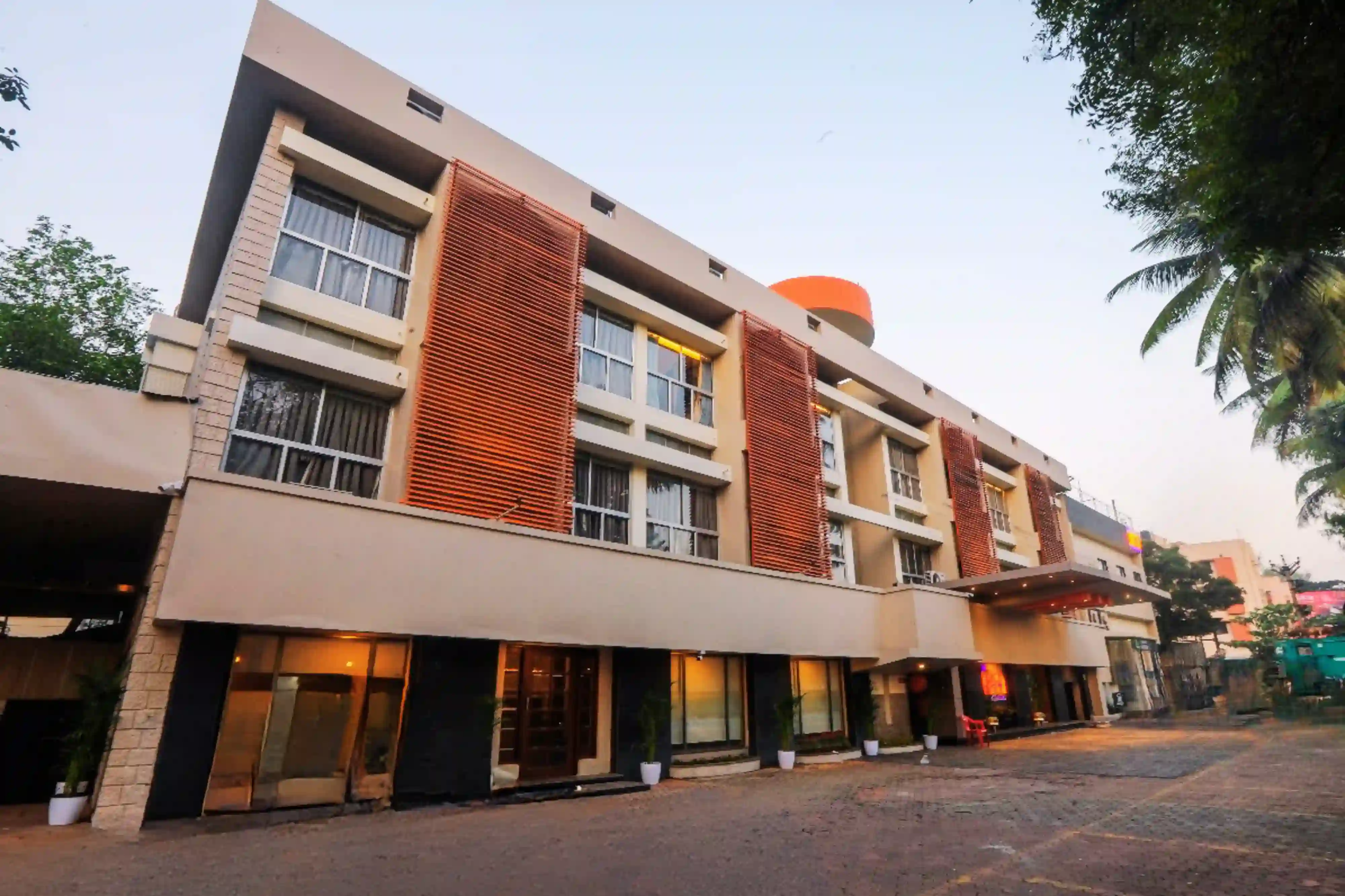
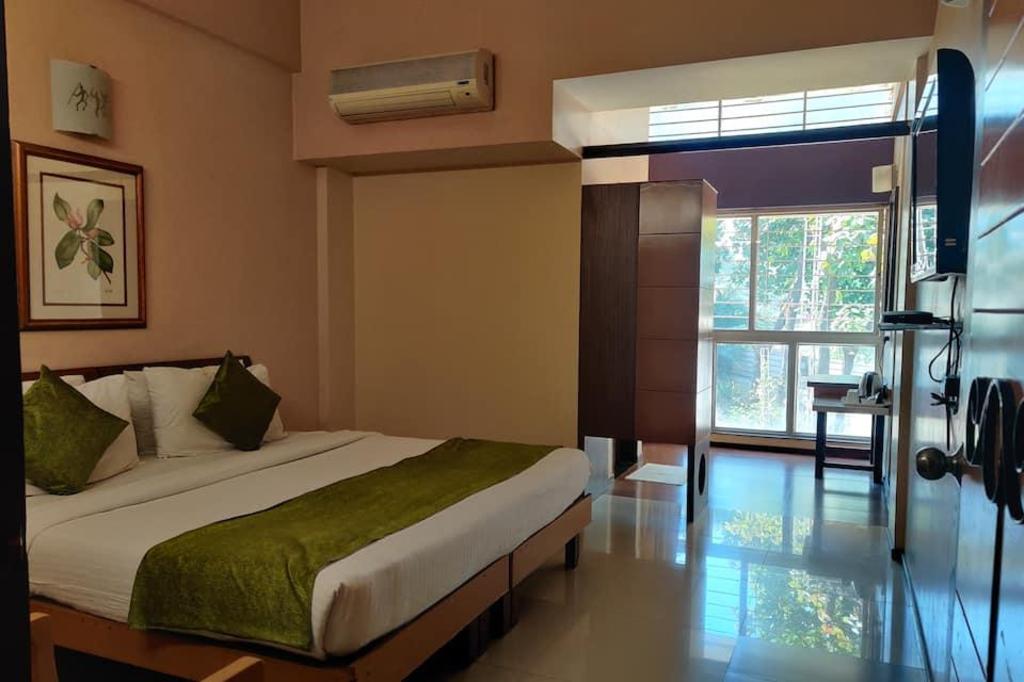
IRA by Orchid Nashik runs an Orchid Rewards offer of up to 30 per cent off on direct bookings, which beats most OTA rates and adds member benefits. The direct rate on the hotel's own booking page is consistently the best value and the only way to be sure you get the current Orchid Rewards discount and any seasonal package.
The money advice for any Nashik stay is to book direct. The Orchid Rewards programme currently offers up to 30 per cent off on direct bookings, and because it is the hotel's own loyalty rate, you avoid the commission baked into third-party prices, and you get member benefits that the booking sites cannot match. Weekday and monsoon stays are where the value is best. To get the live discount and any current package, check the latest IRA Nashik offers and book directly.
For deeper planning, read our focused guides: Best Time to Visit Nashik, Sula Vineyards Wine Tasting, Trimbakeshwar Temple Guide, Nashik Monsoon Waterfalls, Nashik 2-Day Itinerary, How to Reach Nashik.
How many days are enough for a Nashik trip?
Two days are enough for the highlights: one day for the temples, Panchavati
and Trimbakeshwar, and one day for the vineyards and Pandavleni Caves. Add a
third day for a Shirdi day trip or a monsoon waterfall outing. A weekend
from Mumbai or Pune works well.
Is Nashik known for wine?
Yes. Nashik is called the wine capital of India and produces the majority of
the country's wine. Sula Vineyards, about 12 kilometres from the city
centre, is Asia's most-visited winery, and the surrounding belt has many
other estates like York, Soma and Grover Zampa offering tours and tastings.
How far is Trimbakeshwar from Nashik?
Trimbakeshwar is about 28 kilometres west of Nashik, roughly an hour by
road. It is one of the twelve Jyotirlinga shrines of Lord Shiva and sits at
the foot of Brahmagiri hill, the source of the Godavari. Go early to beat
the darshan queues.
What is the best time to visit Nashik?
October to March is best for pleasant weather and comfortable sightseeing,
with the grape harvest from January to March. The monsoon, July to
September, is best for green hills and waterfalls and a quieter vineyard
visit. Summer is hot and best avoided for daytime touring.
Is Nashik good for a weekend trip from Mumbai?
Yes. Nashik is about 165 kilometres from Mumbai, a four to five-hour drive,
which makes it a popular weekend escape. You can combine temples, vineyards
and food comfortably over two days, or add a day for Shirdi or the monsoon
waterfalls.
What are the Pandavleni Caves?
The Pandavleni Caves, also called the Trirashmi or Nashik Caves, are a group
of 24 rock-cut Buddhist caves about 8 kilometres from the city, dating from
around the first century BC. They are known for their carvings, inscriptions
and the city view from the hilltop. They are Buddhist, not linked to the
Mahabharata.
How do I reach Nashik?
Most travellers fly into Mumbai, about 165 kilometres away, and drive four
to five hours, or take a train to Nashik Road railway station, the main
railhead. Nashik's own Ozar airport has limited flights. By road, Nashik is
around 165 kilometres from Mumbai and 210 kilometres from Pune.
Can I visit Shirdi from Nashik?
Yes. Shirdi, the Sai Baba pilgrimage town, is about 90 kilometres from
Nashik, two to three hours by road. It is a comfortable long day trip or an
overnight, and a common combination for travellers on the temple circuit.
What food is Nashik famous for?
Nashik is famous for its spicy misal pav, a sprouted-bean curry eaten with
pav, and for being a grape and wine country. Local chivda, sabudana dishes,
vada pav and the Maharashtrian thali are the other favourites, along with
fresh grapes and local wine in season.
Where should I stay in Nashik for easy sightseeing?
Stay near the Nashik-Pune road and Nashik Road railway station, which keeps
you connected to the city, the highway and the sightseeing routes without
old-city congestion. The IRA by Orchid Nashik near Nasardi Bridge is on this
side with Executive and Garden rooms, two restaurants, a pool, spa and gym.
Decide whether your trip leans towards pilgrimage or leisure, group your sights by direction, come in the right season, and base yourself somewhere well-connected. Do that, and Nashik gives you temples, wine and green hills in one easy trip. When you are ready, book your stay at IRA by Orchid Nashik.
A/19, Puri - Cuttack Rd, near Jatri
Niwas,
Laxmisagar, Bhubaneswar,
Odisha 751006
Email: reservations@orchidhotel.com
Call: +91 8652 636363